
How Often Does a Septic Tank Need Cleaning?
The 3 to 5 year range holds for most homes, but it swings on two things: tank size and household size. A larger tank buys more time between pumps. A packed house of six eats through capacity faster than a couple living alone, and the tank fills with solids sooner than the calendar suggests. If you're new to a Westminster property and don't know the tank's history, that's the first thing to find out, since guessing wrong risks a backup. North Star Porta Potty handles septic pumping service across Westminster and can check tank condition during the visit, and homeowners comparing costs first can check septic tank pumping cost or the broader portable toilet rental page for jobsite overlap. For businesses running a kitchen, the clock runs differently: a grease interceptor gets pumped once fats, oils, grease and solids reach 25 percent of the liquid depth, which can happen well inside a year. See grease trap pumping for that side of things, and septic tank cleaning for the full-tank service.
What Are the Warning Signs a Tank Needs Pumping Sooner?
Slow drains, gurgling pipes, standing water near the drain field, or a sulfur smell in the yard all point to a tank that's past due. Don't wait for a backup to call, and if the system needs to stay offline during diagnosis, an emergency septic service call or an emergency porta potty rental can bridge the gap. Our page on septic tank warning signs covers the full list, but the short version is: if more than one fixture in the house is slow at the same time, that's the tank talking, not a single clogged pipe. Westminster homes on original 1960s and 1970s systems tend to show these signs earlier than newer construction, simply because tanks were often sized smaller. If you're mid-renovation and the system is offline, a holding tank rental keeps the crew working without guessing at plumbing that isn't ready. Pricing for a scheduled pump-out typically runs in the range covered on our septic tank pumping cost page, and emergency calls carry a different rate structure than routine service.
Why Does Household Size Change the Pumping Schedule?
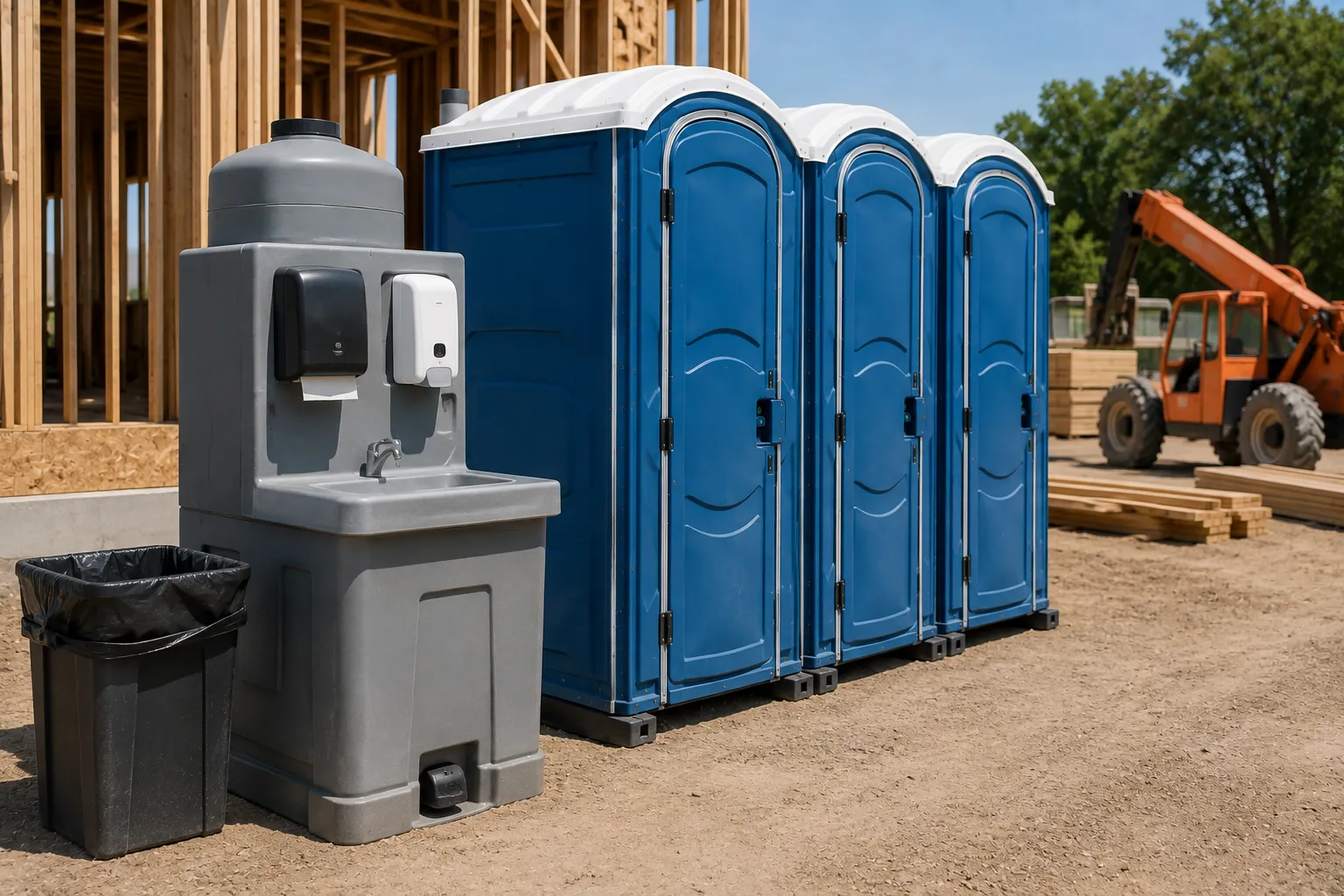
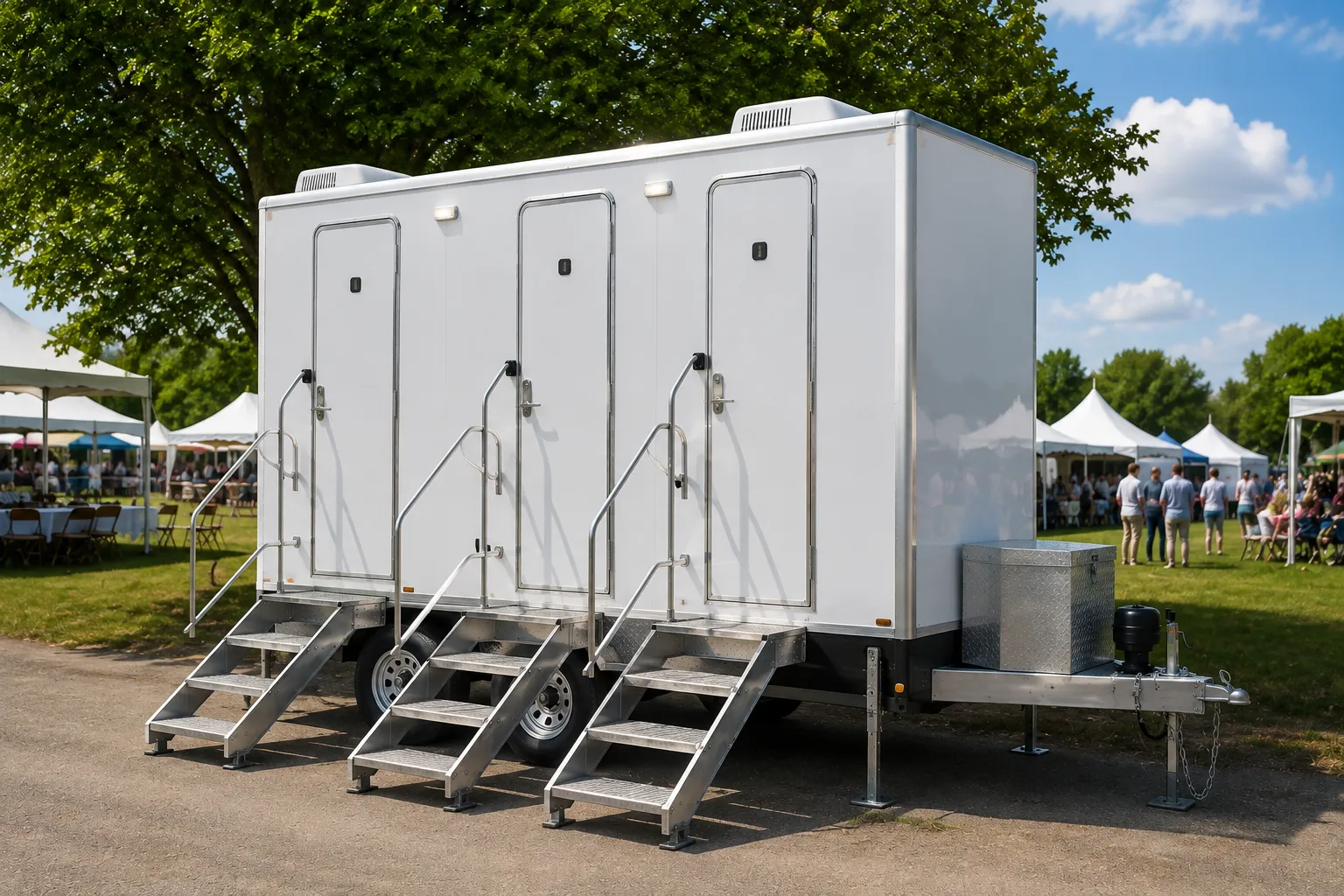
More people means more water, more solids, and a faster fill rate. A family of five generates roughly double the wastewater load of a couple, and that shows up directly in how fast the tank's solid layer builds. This is the same logic behind OSHA's field sanitation standard, 1928.110, which sets toilet facilities at one per 20 hand-labor employees precisely because usage volume drives service frequency, whether it's a septic tank or a jobsite toilet. For construction crews working a Westminster site without sewer hookup yet, that's worth knowing: a standard porta potty rental or a full portable restroom rental setup avoids overloading a residential system that wasn't built for crew-size use, and larger crews sometimes do better with a restroom trailer rental instead of single units. Renovation projects that tie into an existing septic line should factor this in before demo day, not after.
| household size | typical tank | pumping interval |
|---|---|---|
| 1-2 people | 1,000 gallon | closer to 5 years |
| 3-4 people | 1,000 gallon | 3 to 4 years |
| 5+ people | 1,000 gallon or larger | closer to 3 years |
Do Construction Sites Need a Different Sanitation Plan?
Yes. A jobsite isn't a household, and OSHA 1926.51(c) sets separate toilet ratios for construction: one facility for 20 workers or fewer, then one toilet seat and one urinal per 40 workers as the crew grows past that. That's a workforce standard, not a septic pumping schedule, but it matters when a Westminster job site is tempted to route crew use through an existing septic line instead of renting units. Don't do it. A system sized for a family of four will fail fast under 15 workers. Pair that with OSHA 1926.51(a)(1), which requires an adequate supply of potable water at every place of employment, and you've got two separate obligations: water in, waste out. Our construction site services page walks through both, alongside related jobsite needs like temporary fence rental, roll-off dumpster rental and handwashing station rental. If the crew is also doing paint or coating work, OSHA 1926.51(f)(1) requires washing facilities for that specific contaminant exposure, separate from general toilet counts. For general jobsite planning, how many porta potties do i need and osha portable toilet requirements cover the sizing math in more depth.
Homeowners doing a renovation that disturbs the septic line should also plan around it. A home renovation porta potty keeps the household functional while the tank or field gets serviced, and it's cheap insurance against digging into a line you didn't know was there. Westminster's older neighborhoods in particular carry a mix of system ages, so a locate-before-you-dig step isn't optional. Nearby, Midway City sits 1.3 miles southeast and Stanton 4.0 miles north, both served on the same septic and portable sanitation routes we run through Westminster, so scheduling a same-week pump-out or a rental delivery rarely means a long wait for trucks already working nearby routes, and residents further out can check porta potty rental in Seal Beach, CA or porta potty rental in Cypress, CA for coverage. For anyone weighing pump-out cost against a full system replacement, start with how often to pump a septic tank as the baseline, browse the storage container rental options if the crew needs onsite storage during the work, and then call for a site-specific estimate via request a quote.
How do I know my septic tank size?
Check your county or builder records, or ask the last company that pumped it. Most Westminster homes built with a septic system run a 1,000 gallon tank, but older or larger homes sometimes have bigger tanks. Knowing tank size is step one for setting a realistic pumping schedule.
What happens if I wait too long between pumpings?
Solids build past the tank's capacity and start moving into the drain field, which can clog it permanently. That turns a routine pump-out into a field replacement, a far bigger job. Watch for slow drains and gurgling as early signs.
Can a full septic tank cause a backup in the house?
Yes, and it usually shows up as the lowest drain in the house backing up first, often a basement floor drain or a ground-floor shower. Don't run more water through the system once you notice this. Schedule pumping immediately.
Does a garbage disposal change how often I need pumping?
Yes. Disposals add solid waste to the tank at a higher rate, which shortens the interval between pump-outs. Households with heavy disposal use often land closer to the 3 year mark than the 5 year mark.
Is there a difference between septic pumping and septic cleaning?
Pumping removes liquid and settled solids from the tank. Cleaning can include pumping plus inspecting baffles, checking the outlet filter, and confirming the drain field is draining properly. Ask which service you're booking.
Next step
Get a delivery date
Tell us the address, the dates and the headcount. We size the order and confirm the route.